He Threw Forgotten Seeds on a Manure Pile. The Wheat That Grew Had Seven Ears.
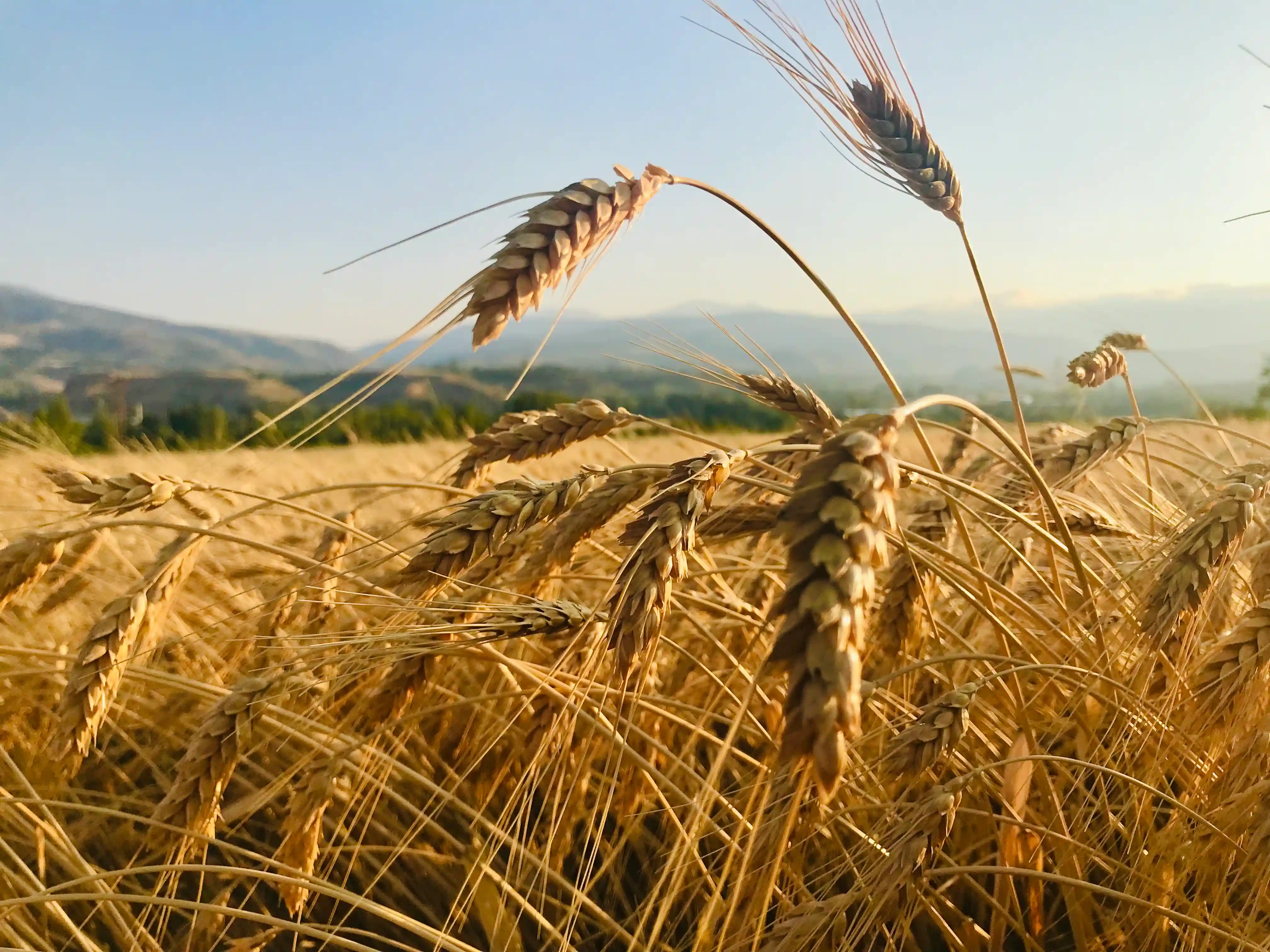
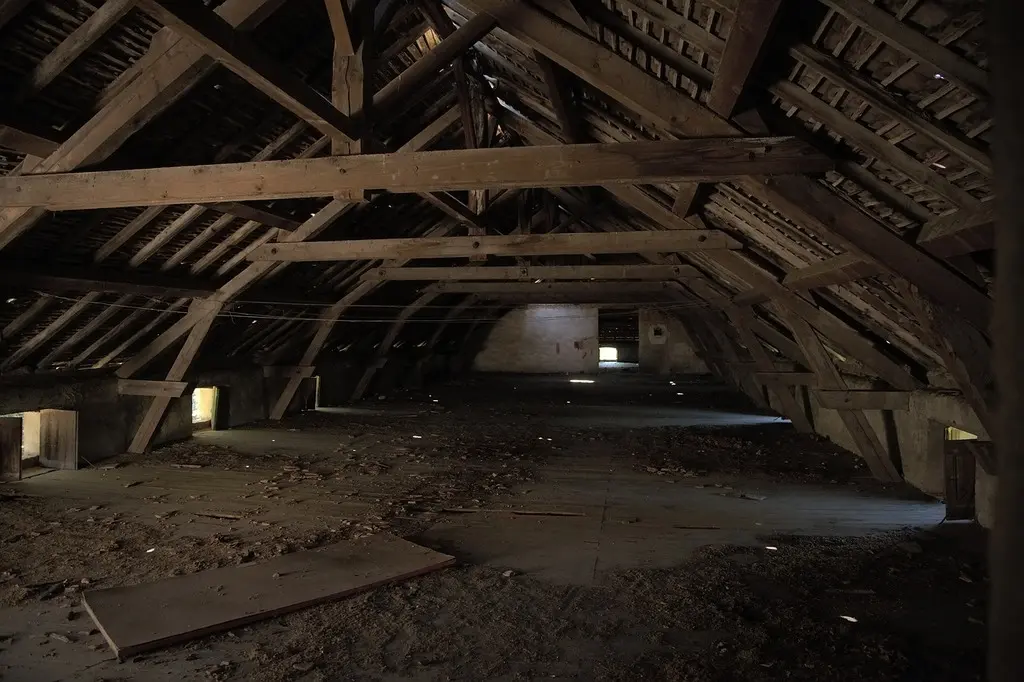
The seeds looked like a lost cause. In the early 1990s, Italian farmer Claudio Grossi found a sack of old, unidentified grain in his family’s attic near Parma. Convinced it would never grow, he emptied it onto a manure pile. Then plants appeared, and among them stood a kind of wheat he had never seen: roughly six feet tall, with an extraordinary cluster of seven grain-bearing ears on a single stalk.
What began as farmyard waste would eventually become bread, a partnership with a flour mill, and a reminder that a seemingly obsolete crop can still have a future. But there was a catch: the unusual wheat resisted the very baking methods that made modern wheat so convenient.
Table of Contents
What Made the Forgotten Wheat Seeds So Unusual?
Grossi had not been hunting for an archaeological treasure. He was clearing out an attic on a family farm established around 1915. According to his account in a 2026 Smithsonian Magazine interview, he believed his great-grandfather had left the sack behind. That was a family inference, not a documented date for the contents. Nobody had established how old the grain really was.
Several kinds of wheat sprouted after the seeds were thrown away. One stood out. Where ordinary bread wheat produces a familiar single ear at the top of a stem, this plant developed a larger central ear surrounded by smaller ones. Its kernels varied in color, and its stalks rose well above the height of typical commercial wheat.
The obvious temptation is to call it a brand-new species. It was not. What Grossi encountered was a form of wheat that earlier generations had grown, examined, illustrated, and that modern high-output agriculture had largely pushed out of the everyday picture. The strange shape made the plant easy to notice. Its survival in a forgotten sack made the discovery a story.
Why Seven Ears Seemed Like a Sign
Grossi was struck by a passage in Genesis in which Pharaoh dreams of seven healthy ears of grain growing on one stalk. He recognized the resemblance and began calling his crop “grano del miracolo,” or miracle wheat. It is an irresistible detail, but the distinction matters: a biblical description cannot establish the age or the identity of a particular packet of seeds.
The classification came through agricultural investigation rather than scripture. Smithsonian reports that Beniamino Perobelli, a food-science student who became interested in Grossi’s bread, worked with a university laboratory to identify the grain as Triticum turgidum, a wheat group with a long history around the Mediterranean.
Wheat breeders and botanical illustrators had documented branching forms long before Grossi’s discovery. An 1880 agricultural plate even depicts “Blé de miracle,” a branching ear bearing a striking family resemblance to the crop that astonished him. The old drawing does not prove the seeds in his attic came from that exact stock. It does show that the shape belonged to an established agricultural tradition, not a sudden mutation unique to the 1990s.
The First Loaf Had a Problem
Harvesting wheat is one thing; turning it into a loaf people want to buy is another. Grossi ground the grain and tried baking with it. The smell and flavor impressed him, but the dough did not behave like modern bread dough. It rose poorly and could collapse rather than hold the airy shape customers expect.
That problem exposed the hidden bargain of modern wheat. Breeders have selected traits that make crops easier to harvest, mill, and process at scale. Bakeries, in turn, design their equipment and routines around flours with predictable properties. A grain can be interesting in a field and still be maddening in a kitchen.
Grossi kept experimenting. In the early 2000s he worked with a local baker who still handled dough by hand. They tried smaller batches and taller proofing baskets. Less vigorous kneading and a different approach to rising helped the bread hold together. The breakthrough was practical, not mystical: rather than forcing the grain to act like commercial flour, they changed the method to fit the grain.
That is why the loaf matters to the story. The find would have remained an oddity if nobody could use it. Once the bread worked, the forgotten crop had an audience beyond its grower.
The Wheat That High Yields Left Behind
The reasons older wheat varieties disappeared are bigger than one farmer’s field. For much of the twentieth century, governments and breeders pursued higher yields to produce more food on the same amount of land. In Italy, the drive for grain self-sufficiency intensified during the 1920s. Later, breeding advances associated with the Green Revolution transformed production in many parts of the world.
Those changes mattered enormously. Shorter, productive wheat varieties helped farmers grow more grain, and higher yields were not a frivolous goal in countries where food shortages were a threat. But selecting a relatively narrow group of successful varieties could also leave distinctive local grains outside the main commercial supply chain.
Grossi’s wheat offered a contrasting package of traits. Its height helped it compete with weeds, and he found it could perform well with fewer agricultural inputs under his conditions. That does not establish that it will outperform modern cultivars everywhere. Growing taller can be an advantage until a storm arrives.
In heavy wind, rain, or hail, long stems can bend or flatten—a problem farmers call lodging. A field that looks magnificent in spring can be difficult to harvest later. Grossi himself addressed this weakness by planting the tall wheat alongside shorter varieties that provide additional support.
A Farmer and a Mill Bring It Back to the Table
The revived grain eventually became more than a private experiment. Molino Grassi, a mill based in the Parma area, says it began collaborating with Grossi in 2010 to bring forgotten local wheat varieties back into cultivation. Its Miracolo flour line grew from that effort and from related work with traditional grains.
The commercial partnership is significant because preserving a seed is not the same as preserving a crop. Farmers need a reason to plant it, millers need enough grain to process, and bakers need customers who value its particular character. Without those links, heritage varieties can remain museum specimens or tiny garden curiosities.
The resulting effort turned the wheat’s unusual texture and flavor into features rather than defects. Its place in the marketplace remained specialized, and no credible source establishes that it could replace high-yield wheat at national scale. But survival did not require conquering every field in Italy. It required a working chain from seed to loaf.
Does Ancient Wheat Really Make Healthier Bread?
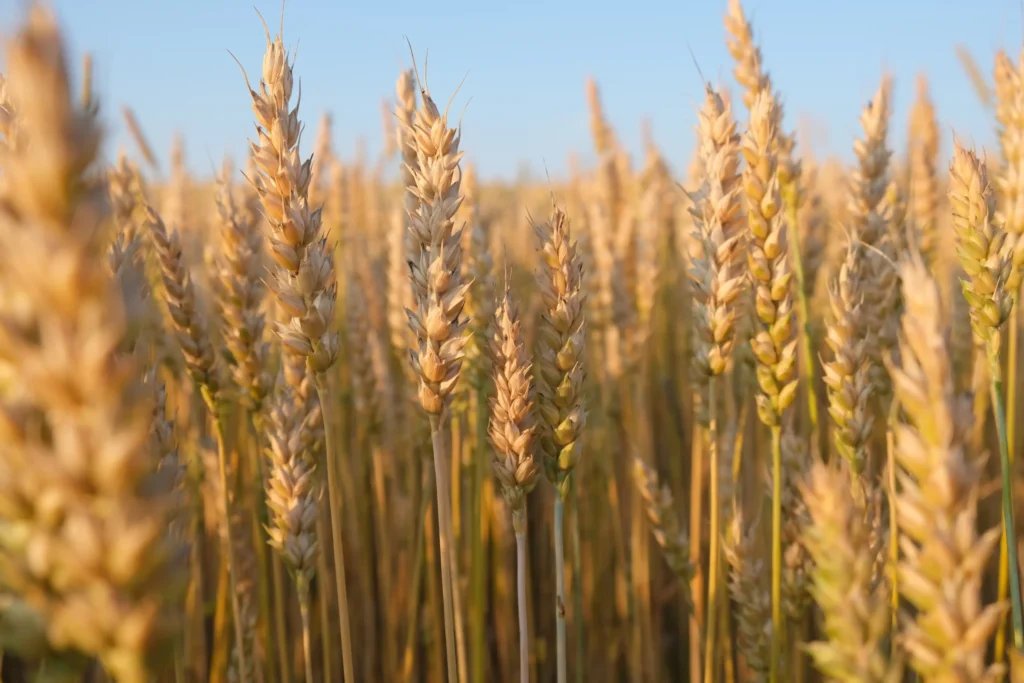
A story like this invites bold nutritional claims. Smithsonian describes measurements indicating notable mineral and amino-acid content in Grossi’s grain, but a single grain or set of tests cannot justify saying all heritage wheat is healthier. Composition varies by variety, growing conditions, milling, and the food made from it.
A 2022 scientific review of ancient and modern wheats warns against the simple claim that older wheat automatically has less gluten. The researchers found that broad comparisons can be misleading, particularly when varieties have not been grown and tested under comparable conditions. Crucially, heritage wheat still contains gluten and should not be presented as safe for people with celiac disease.
The defensible case for forgotten grains is less sensational and more interesting: diversity. A seed collection with many different traits can offer future breeders and farmers more options when drought, disease, or changing weather conditions alter what grows well. That does not make any single heirloom variety a climate-proof solution. It makes the disappearance of useful diversity worth caring about.
The Real Miracle Was What Happened Next
The most revealing part of Grossi’s story is not that seven ears appeared on one stalk. Agricultural history already knew branching wheat. Nor is it that the seeds were supposedly thousands of years old; their age remains unverified.
The remarkable part is that an ordinary disposal decision almost ended the story before it began. A farmer noticed what grew from an unwanted sack, kept planting it, learned why the bread failed, and found partners willing to give the grain another chance.
A crop does not need to beat every modern competitor to deserve a place in the future. Sometimes it only needs someone to recognize that the past has left a few possibilities growing in the wrong pile.
If you enjoyed this story about forgotten wheat seeds and the surprising resilience of nature, discover the incredible 4,850-year-old Methuselah tree or explore 7 animals that can survive extreme conditions. Nature has plenty more extraordinary stories waiting to be discovered.
Sources