The Blood Countess: Did Elizabeth Báthory Really Kill 650 Girls?
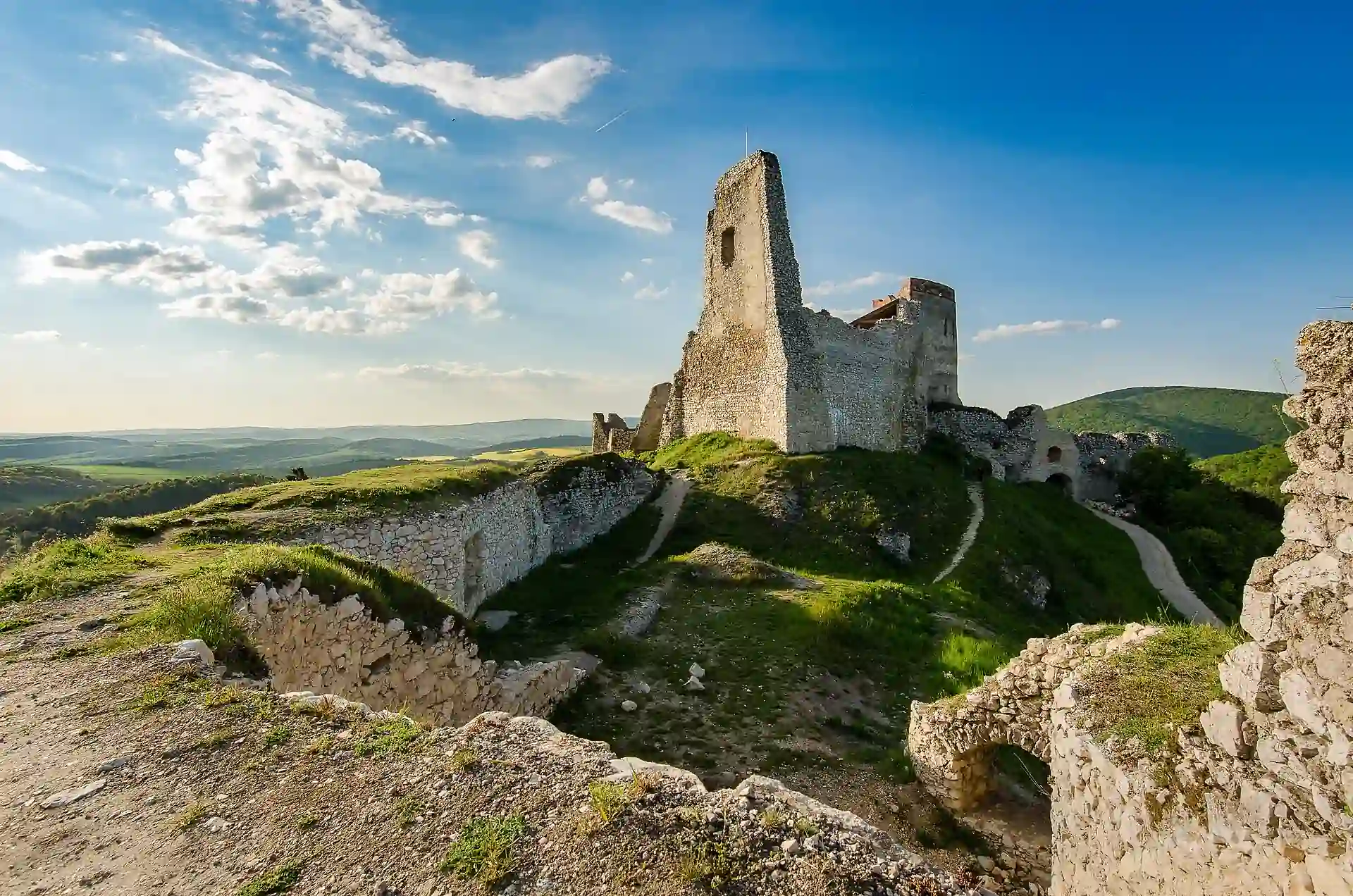
In 1729, the Jesuit scholar László Turóczi published a Latin history of Hungary’s kings. A few pages of it told the story of Elizabeth Báthory, a widowed countess who had died under guard at Čachtice Castle, in today’s western Slovakia, 115 years earlier. She slapped a maid, the story went, and where the girl’s blood touched her own skin, it looked younger. From then on, she bathed in the blood of young women.
That bath became the best-known thing about her. It is also missing from the case against her. In 1610 and 1611, officials took statements from roughly 300 people, and four of her servants confessed before a court. Historians who have gone through that record find no blood bath in it.
What the record does contain is harder to read: confessions taken under torture, sworn statements from neighbors and servants, and victim counts that range from a few dozen to 650. That famous 650 rests on a single witness repeating something she had heard.
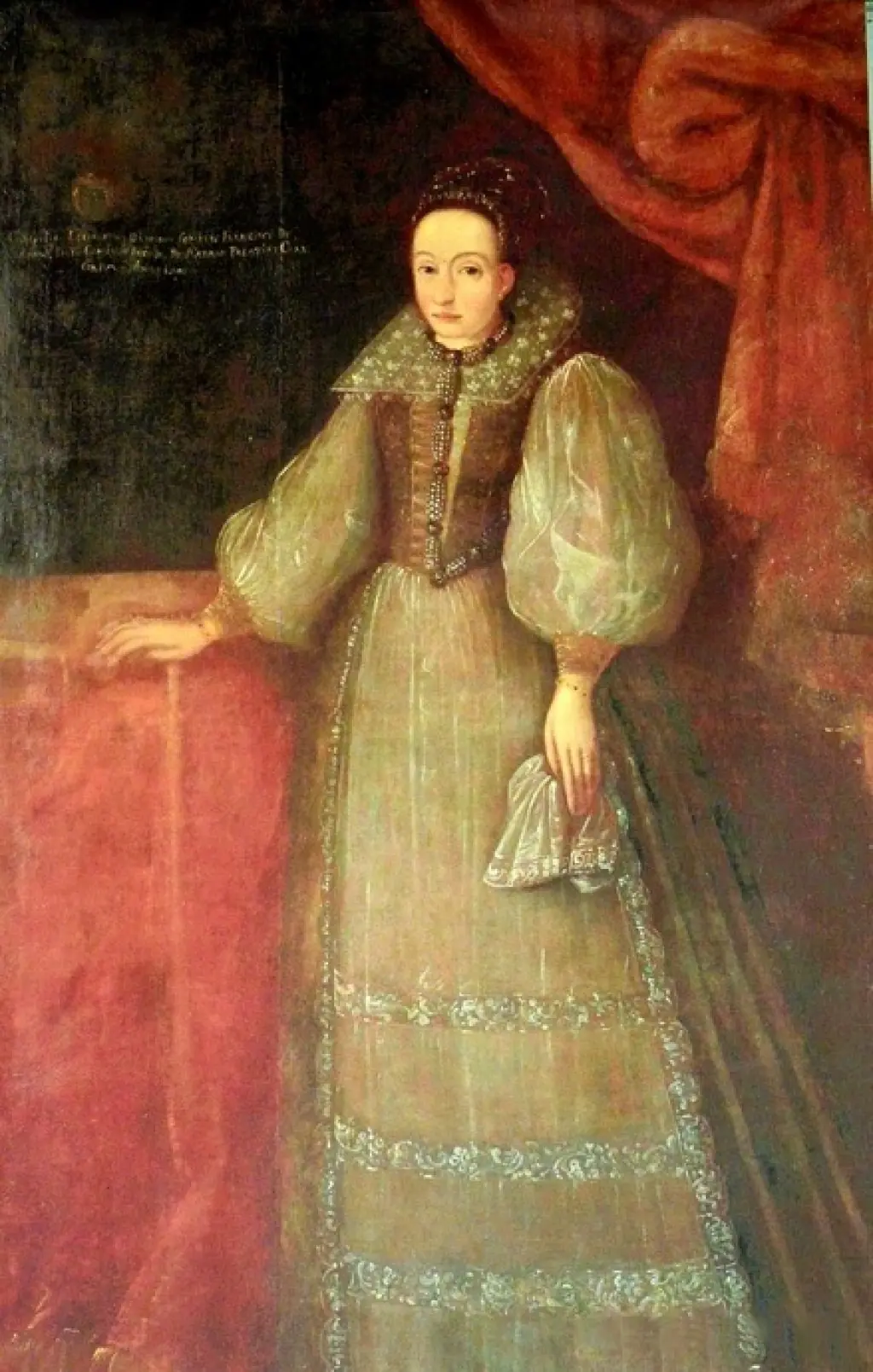
Table of Contents
The Raid at Čachtice
In March 1610, on orders from King Matthias II, György Thurzó, the palatine of Hungary, whose office oversaw the courts, ordered two notaries to start taking sworn testimony. By October they had 52 statements; by 1611, more than 300.
Her family was involved early. In mid-December 1610, her son-in-law Miklós Zrínyi confirmed an agreement with Thurzó on her confinement and the division of her estate, according to letters published by the German author Michael Farin.
On December 29, 1610, Thurzó came to Čachtice with Zrínyi, another son-in-law, György Drugeth, and a detachment of soldiers. According to the charge presented at the servants’ trial nine days later, the party found a young woman named Doricza dead and two others dying. The countess and four servants were placed under guard: Dorottya Szentes, Ilona Jó, Katalin Beniczky and a young man, János Újváry, known as Ficzkó.
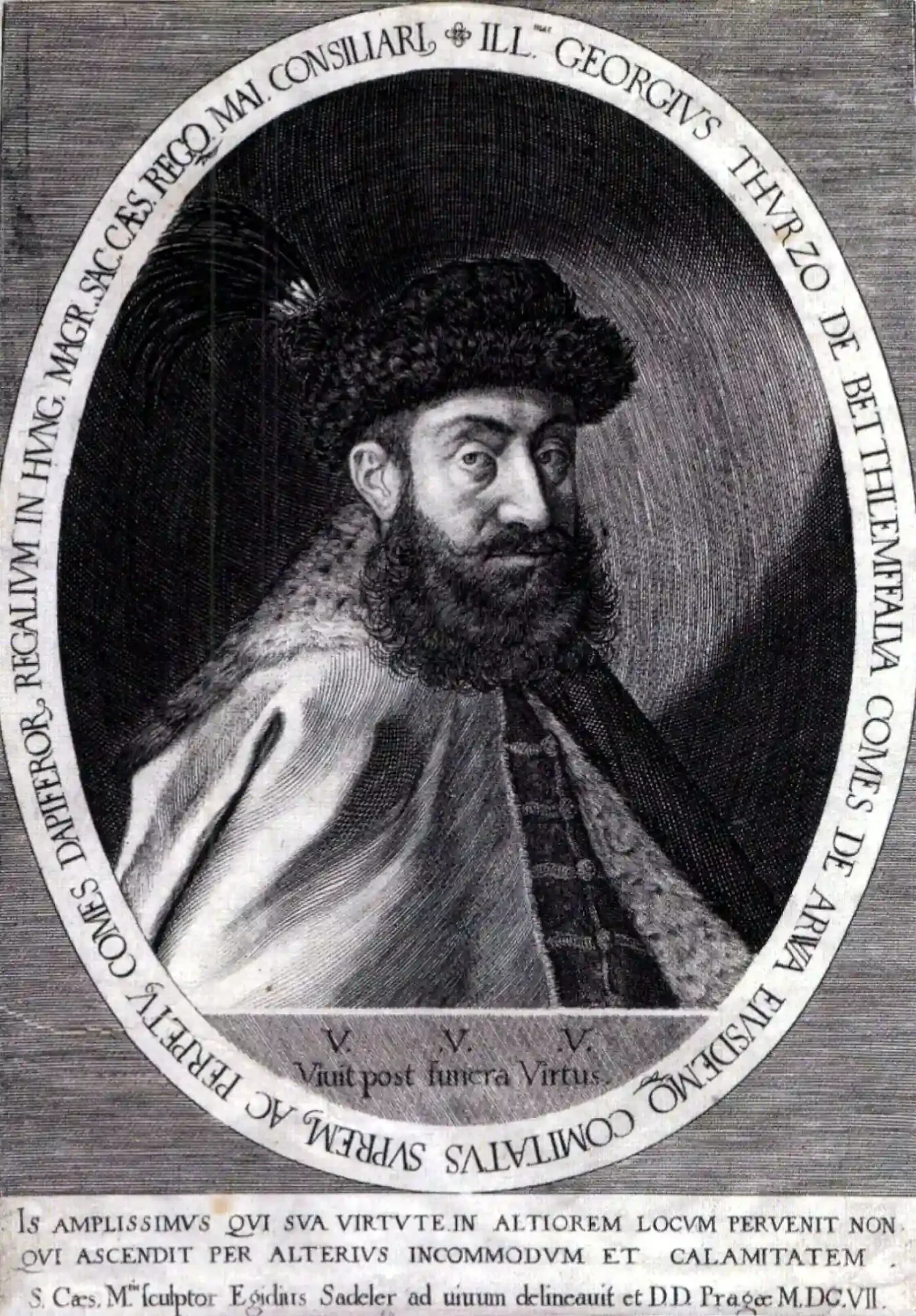
Thurzó did not put her on trial. After consulting her sons-in-law, he condemned her to lifelong confinement in her own castle, on the grounds that she had been caught in the act.
Four Servants on Trial at Bytča
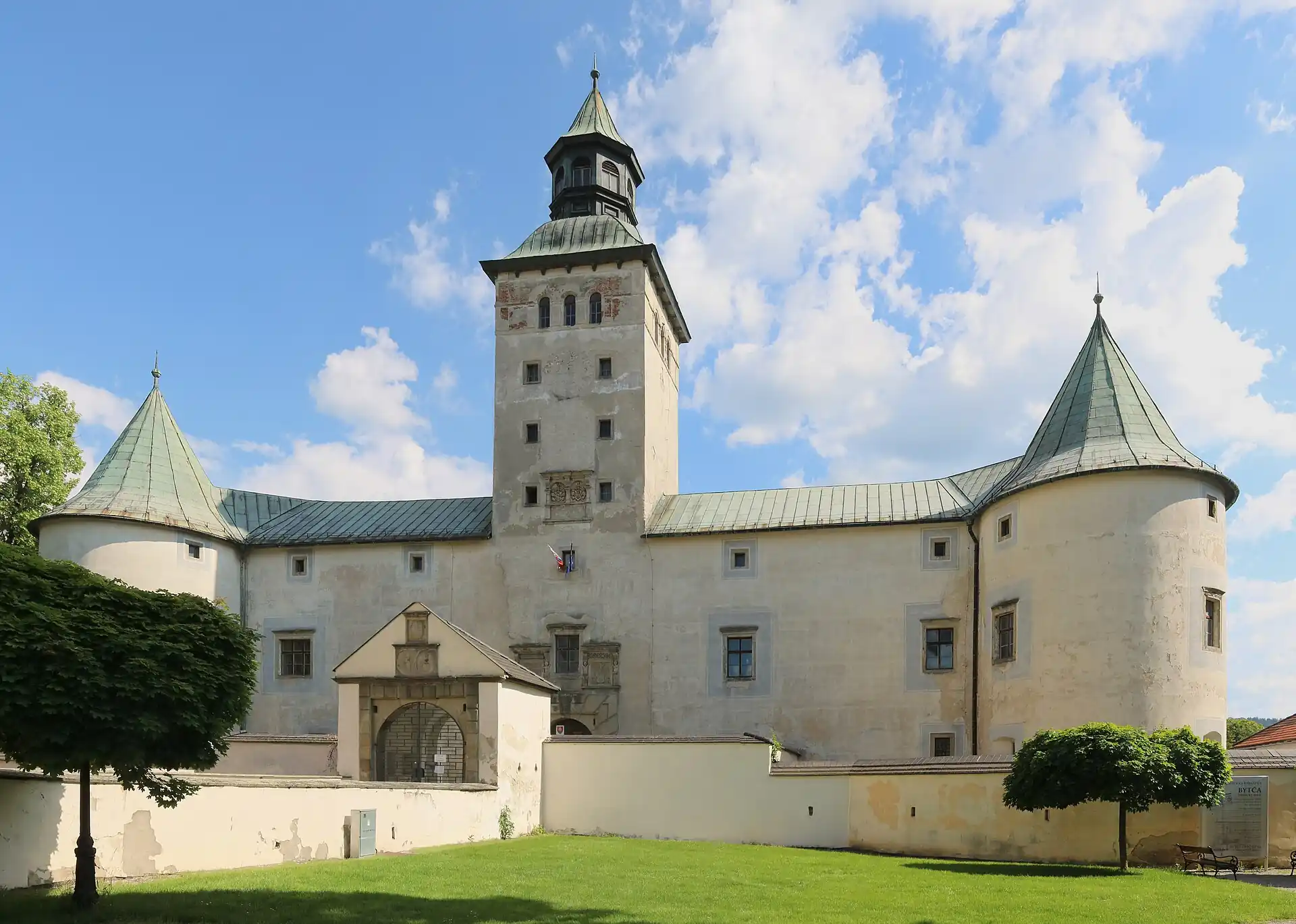
The servants were questioned on January 2, 1611, in Bytča, a market town in northern Slovakia that belonged to Thurzó. On January 7, a panel of about 20 county officials and nobles heard the charge, had the confessions read back and took sworn testimony from 13 witnesses. Nine of them lived in Čachtice, and most swore they had seen the body of the latest victim carried out of the castle.
The verdict itself says the defendants confessed both voluntarily and under torture. Ilona Jó and Dorottya Szentes were sentenced to death by burning. Ficzkó, whose youth and smaller share of guilt the judges weighed, was to be beheaded. Katalin Beniczky, whom two co-defendants and several witnesses defended, went back to jail until clearer evidence turned up. The record says the sentences were carried out soon afterward.
Elizabeth Báthory never appeared in court.
Where the Number 650 Comes From
Each defendant was asked how many girls and women Elizabeth Báthory had killed. Ficzkó answered 37 for his 16 years in her household. Dorottya Szentes said about 36. Ilona Jó said she knew of 50 or more. Katalin, a laundress, guessed it could be 50.
Among the witnesses, Sara Baranyai, a widow who had served the countess for four years, said more than 80 girls were killed in the women’s quarters in that time; she had kept count at a castle official’s request. Helena Kowis said more than 30 in three years.
The 650 came from the 10th witness, a young woman named Susanna. She said she had heard that Jakab Szilvássy, a court official, found a register of the dead girls in the countess’s chest, with a total of 650 and the countess’s own signature. No one ever produced it, and Guinness World Records, retelling the case in 2023, noted that Szilvássy never mentioned it in his own testimony.
Much of the wider inquiry was secondhand, too. Biography.com counts more than 250 of 289 witness accounts as hearsay or empty of useful information.
Why Elizabeth Báthory Was Never Tried
In a letter of January 14, 1611, the king pressed Thurzó to summon the countess and let the law take its course. Thurzó kept postponing it, and her family was relieved. In February, Zrínyi thanked him for choosing the lesser of two evils and sparing the family a public disgrace.
Popular tellings have her walled into a room. Documents from a church visit in July 1614 suggest she could still move about the castle. She was found dead at Čachtice on August 21, 1614, at 54, never having faced a court.
Matthias also owed the countess a large debt; Aleksandra Bartosiewicz, a researcher at the University of Łódź in Poland, argues that he benefited from her downfall. The Polish historian Adam Szabelski adds that the crown had acquired her castle at Dévény, between Vienna and Bratislava, without ever paying for it. Both also point to her relative Gabriel Báthory, the prince of Transylvania, who was challenging Matthias at the time and might have counted on her support.
Her relatives gained, too. Tony Thorne, author of the biography Countess Dracula, told National Geographic that a daughter took valuables from her property and her sons-in-law wanted their inheritance early. A public conviction could have cost the family her lands, but she had already divided her estates among her children in 1610.
A Frame-Up or a Proven Case?
Since the 1980s, several scholars have argued that she was framed. The Hungarian historian László Nagy concluded in 1984 that her imprisonment was a political matter. Irma Szádeczky-Kardoss argued in 1993 that Thurzó and the king broke the law by holding a noblewoman without a verdict. Thorne and Bartosiewicz say her crimes were probably exaggerated to discredit her.
Witchcraft is in the record, too. Helena Kowis swore that the countess was skilled in sorcery and poison and had tried to harm the king and the palatine with muttered curses. The only bath the countess herself takes in the confessions is in Ficzkó’s account: at about 4 a.m., he said, a woman from Myjava bathed her in a kneading trough with water she had prepared, and a cake baked from that trough was meant to poison the king.
Others see real crimes in the same papers. Farin points to testimony from more than 300 people, some describing bodies and injured girls found at the time of the arrest. Rachael Bledsaw, in a 2014 thesis at Illinois State University, found no sign of a plot against a rich widow and notes that the servants’ trial followed standard procedure for its time, torture included. Kimberly L. Craft, in her 2009 book Infamous Lady, describes cruelty that “slowly turned into an ever-increasing stream of dead bodies.”
How a Slap Became a Bath
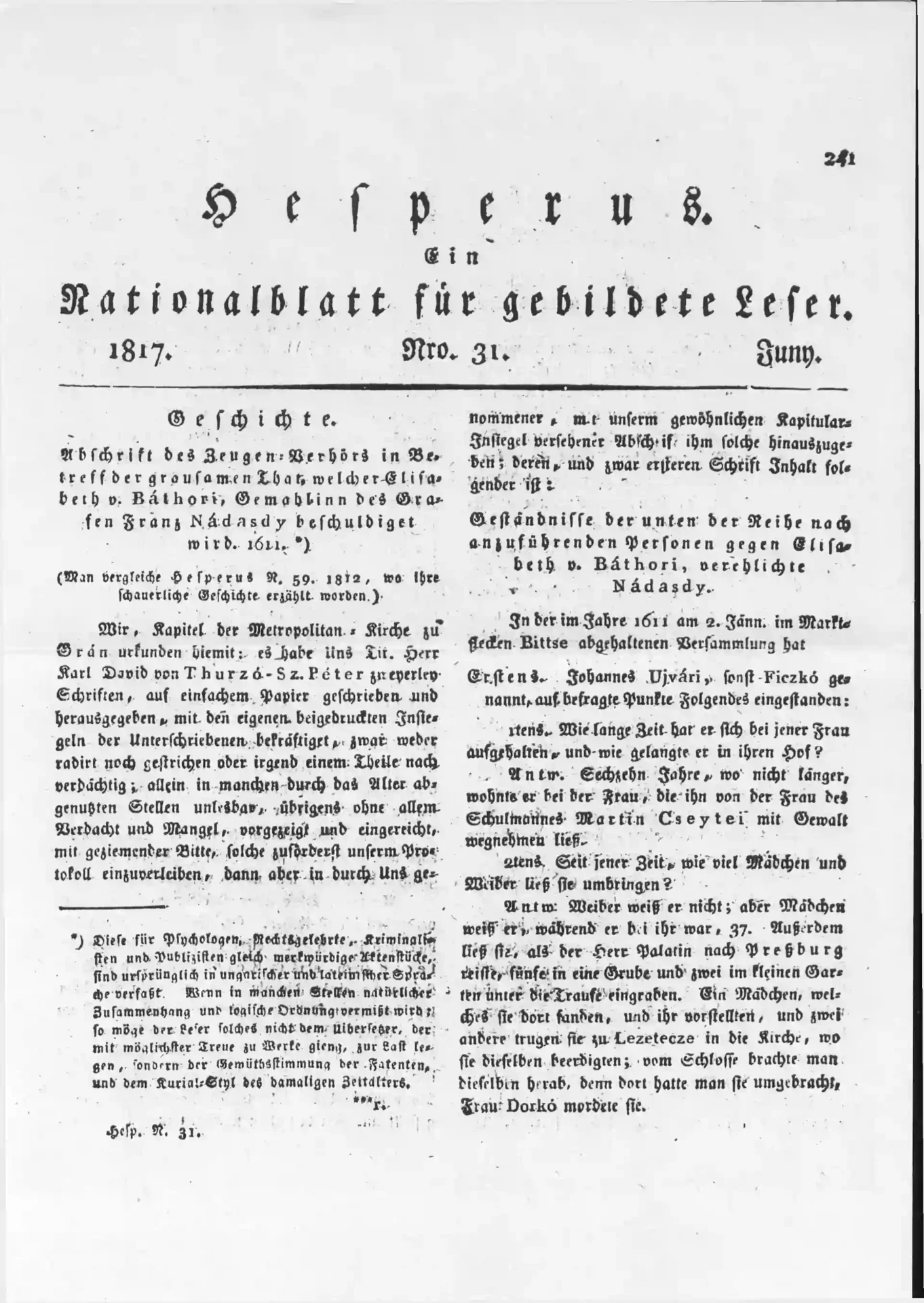
Turóczi’s version came more than a century late; medieval chroniclers recorded the green children of Woolpit within decades. Matthias Bel repeated it in a 1742 history; he doubted the blood detail but helped carry it further. The trial papers were not printed until 1817, when the Prague magazine Hesperus published them in German. They mention girls forced to stand in cold water all night, and nothing about the countess bathing in blood.
The legend kept its lead anyway. In the 20th century, films such as Countess Dracula, starring Ingrid Pitt, built on the blood-bath version. In 2008, the Slovak director Juraj Jakubisko went the other way and presented her, in his words, as a “defenceless widow.”
The 650 figure made her famous as history’s most prolific female killer, a label Guinness World Records questioned in 2023, concluding that we will probably never know. Its record page names Jane Toppan, an American nurse who confessed to 31 killings and was tried in 1902, based on confirmed victims. Elizabeth Báthory gets one sentence there, saying fact and fiction can’t be separated in her story.
In 2026 she returned to the screen. Isabelle Huppert plays her in Ulrike Ottinger’s The Blood Countess, a black comedy set in present-day Vienna that premiered at the Berlin film festival in February. Bloody Disgusting, reviewing its North American premiere, reported a theatrical release expected in spring 2027. In Netflix’s Monster: The Lizzie Borden Story, released in September, Vicky Krieps plays her in fantasy flashbacks drawn from a book read aloud to Lizzie Borden.
Čachtice Today
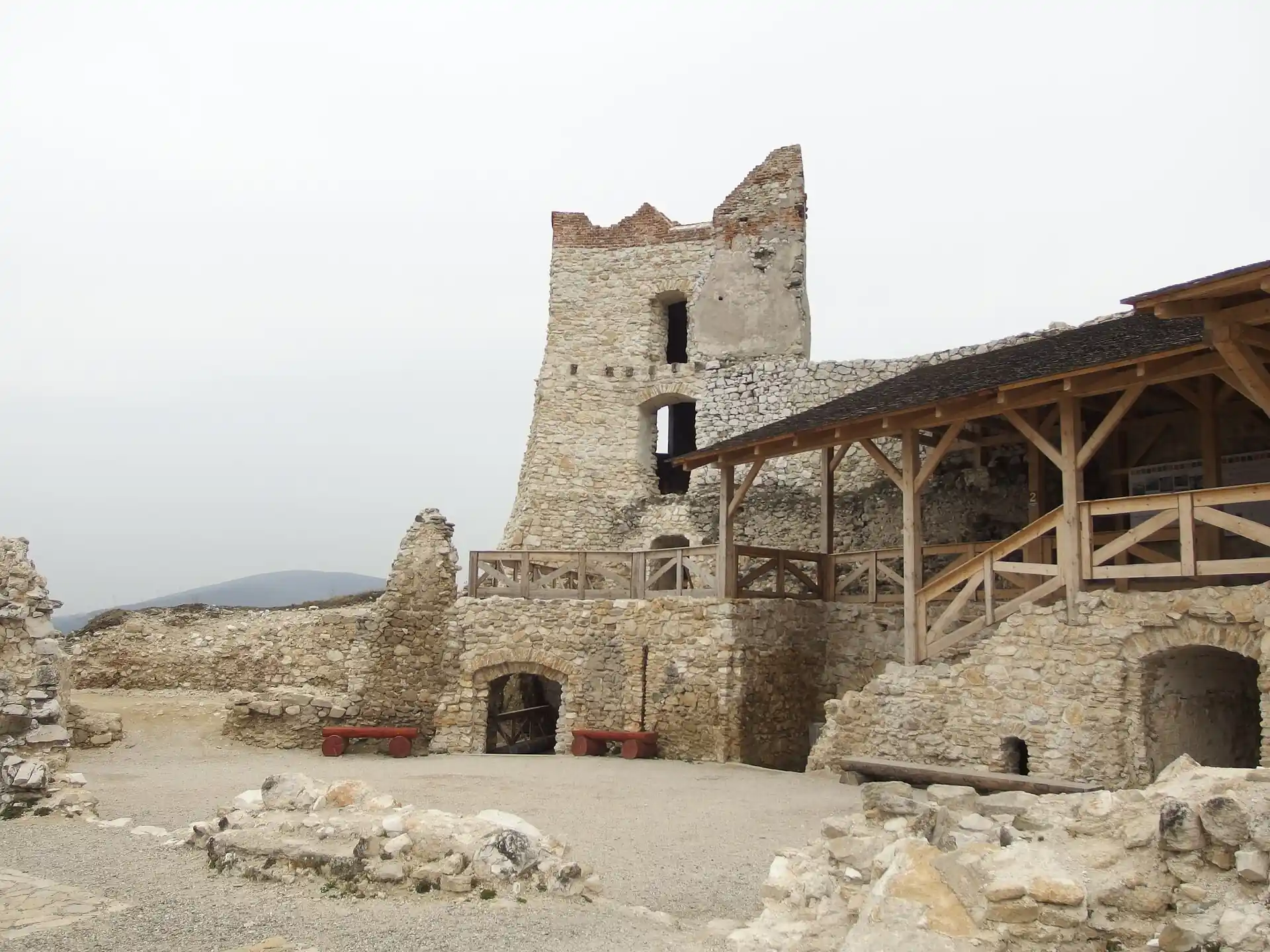
The ruins still stand on a rugged hilltop above the village of Čachtice, about 50 miles northeast of Bratislava. Before a two-year reconstruction, anyone could walk in for free, at their own risk. The castle reopened on June 20, 2014, after 1.2 million euros of work paid mostly from EU funds, with a new viewing terrace and an admission fee. Stalls sold wine named after the countess that weekend. In 2019, the castle drew 68,348 visitors.
When the Associated Press visited in 2024, a museum in the village’s Draškovič manor house displayed a replica of her dress. A local farmer, Ivan Pisca, told the AP that “older people believe these tales, but the younger people may know a little less about them.”
Elizabeth Báthory is thought to rest in a crypt under the village church, though rumors say her remains were moved at some point. The church has not let anyone dig to find out, the AP reported.
Sources
- Abschrift des Zeugen-Verhörs … (1611), Hesperus, Prague 1817
- Postać Elżbiety Batory w historiografii
- No Blood in the Water
- Elizabeth Báthory
- The bloody legend of Hungary’s serial killer countess
- Was Elizabeth Báthory truly the most prolific female serial killer ever?
- Most prolific serial killer (female)
Featured image: Ruins of Čachtice Castle. Photo by Vladimír Ruček, licensed under CC BY-SA 4.0, via Wikimedia Commons.