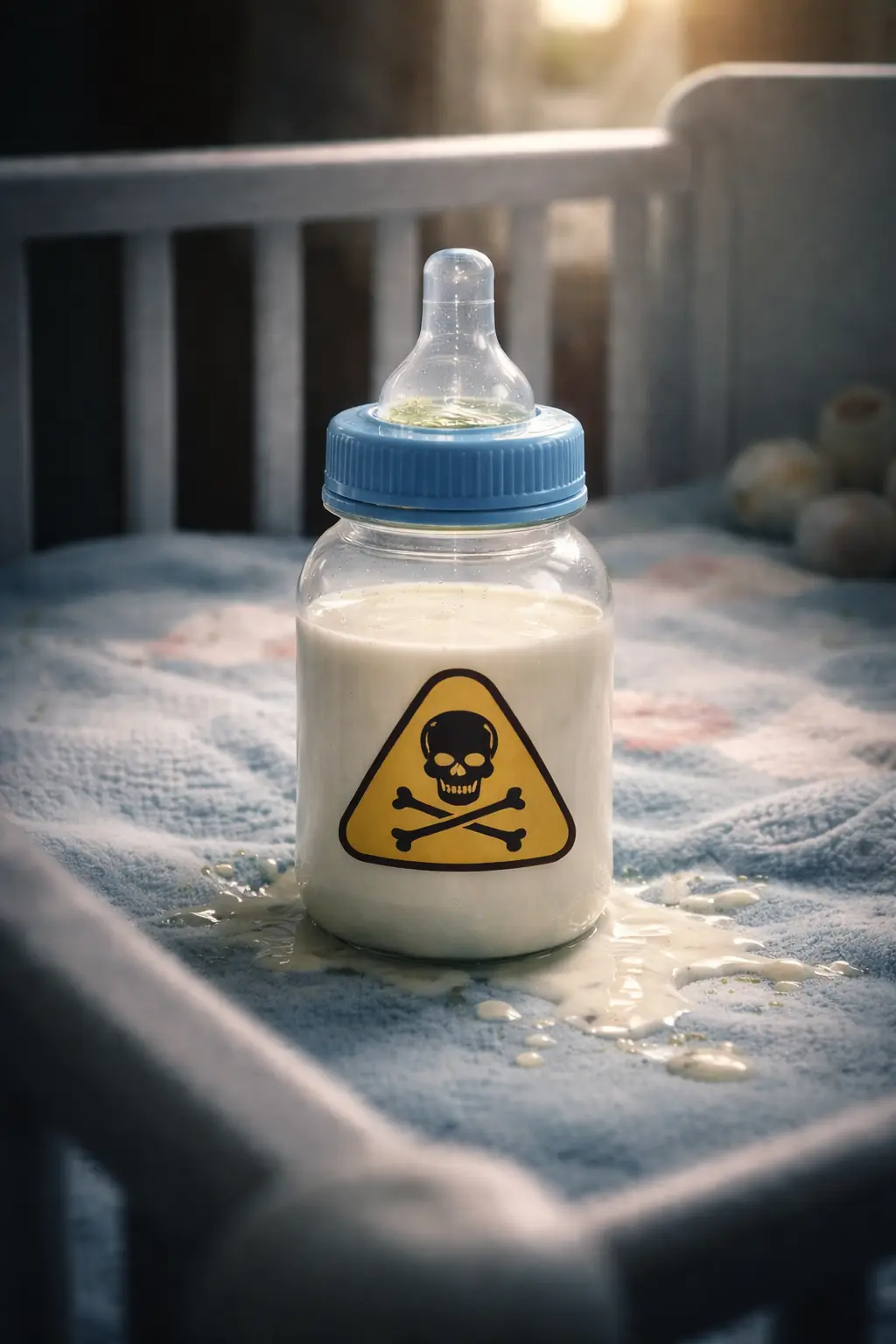
The Patricia Stallings Case: A Mother Convicted of Murder Until Science Revealed the Truth
In the summer of 1989 Patricia Stallings believed her life was finally complete. Together with her husband David and their three month old son Ryan she had just moved into a new home near St. Louis. It was a time of hope stability and happiness. Years later she would say it was the happiest period of her life.Nothing suggested that this peaceful beginning would soon turn into a nightmare that would define the Patricia Stallings case for decades.
Table of Contents
One evening after feeding Ryan suddenly began to vomit. At first Patricia did not panic. Infants often spit up and the following day his condition seemed to improve. Everything appeared normal until Sunday morning when Ryan became lethargic could not keep food down and started struggling to breathe. Patricia rushed him to a children’s hospital in St. Louis.

The Diagnosis That Changed the Case
Doctors discovered that Ryan was suffering from severe metabolic acidosis. His blood had become dangerously acidic. He was placed on life support and given intensive treatment. For a short time his condition stabilized. Then came the conclusion that changed everything.
Laboratory tests reportedly detected ethylene glycol in Ryan’s blood. Ethylene glycol is a toxic chemical commonly found in antifreeze. The medical staff reached what they believed was an undeniable conclusion. The child had been poisoned. The question was by whom.
Investigators quickly focused on the parents and especially on the mother. Ryan was removed from their care and placed in foster care. Patricia was allowed to see her son only once a week under supervision. During one of these visits she fed him using a bottle she had brought with her. A few days later Ryan’s condition worsened dramatically. This time it was far more severe. Extreme acidosis. Acute kidney failure. Ryan died. What followed was not doubt or uncertainty but a rapid shift toward a criminal narrative.
The True Crime Narrative Built on Forensic Evidence
During the autopsy a pathologist found crystal like deposits in Ryan’s tissues which were interpreted as clear evidence of ethylene glycol poisoning. One laboratory claimed it had detected the chemical on the baby bottle. During a search of the family home investigators found an opened container of antifreeze. To authorities the picture seemed complete.
In September 1989 Patricia Stallings was arrested and charged with the murder of her own child. Prosecutors sought the death penalty. They told the jury not to speculate about motive. According to them the facts spoke for themselves. After only a few hours of deliberation the verdict was delivered. Life in prison without the possibility of parole.

To explain the crime prosecutors relied on a psychiatric diagnosis known as Munchausen syndrome by proxy. A condition in which a caregiver is believed to deliberately harm a child in order to gain attention or sympathy. Poisoning medical evidence and psychological theory all appeared to align. Patricia was sent to prison. She mourned her son while facing the possibility of execution.
The Moment Doctors Recognized the Medical Misdiagnosis
Then something unexpected happened. She discovered she was pregnant. While incarcerated Patricia gave birth to her second child David Junior. As with Ryan the baby was immediately taken into foster care. Only weeks later the infant suddenly collapsed. He fell into a coma and nearly died. This time doctors took a different approach. And they uncovered the truth.
The child was not poisoned. He was suffering from a rare inherited metabolic disorder called methylmalonic acidemia. This condition prevents the body from properly breaking down certain proteins and fats causing dangerous acids to build up in the bloodstream. The symptoms closely resemble antifreeze poisoning including severe metabolic acidosis. That discovery raised a critical question at the center of the Patricia Stallings case: What if Ryan had suffered from the same disorder?
Further investigation revealed a devastating mistake. The original toxicology tests relied on an older analytical method that identified substances based only on how long they took to pass through laboratory equipment. In complex biological samples this method can confuse different chemicals with similar properties. One of the acids produced by the genetic disorder had been misidentified as ethylene glycol. In other words the laboratories saw what they expected to see.
Even worse the treatment given to counter the supposed poisoning likely worsened Ryan’s condition. The crystal deposits once cited as proof of murder were later linked to the effects of inappropriate therapy rather than poisoning itself.
When the Patricia Stallings Case Was Finally Reopened
Years later the case was reopened. The state of Missouri formally apologized to Patricia Stallings. She was released from prison and her conviction was overturned. But not everything could be undone.
For years Ryan’s death certificate continued to list murder as the cause of death. Ryan never came back. And Patricia lost years of her life her freedom and her child because a scientific error went unchallenged.
Today the Patricia Stallings case is recognized as one of the most troubling wrongful convictions in modern American history. It stands as a powerful warning of what can happen when authority replaces skepticism and when experts stop asking questions and start searching only for confirmation. The Patricia Stallings case remains a reminder that when science is misunderstood the consequences can be irreversible.
For another powerful historical story about individuals pushed to the limits by war and fate, you can read more here
Sources: